
Scalable Design System
Designing scalable systems for workflow-heavy enterprise products—bringing consistency and reducing friction between design and engineering.
Created as part of enterprise underwriting and claims platform work at FM Global
System Approach
Design systems are treated as operational infrastructure—establishing a shared language for interaction patterns, information hierarchy, and workflow structure across complex products.
The focus is not just visual consistency, but reducing duplication, improving predictability, and enabling teams to apply patterns consistently as systems scale.
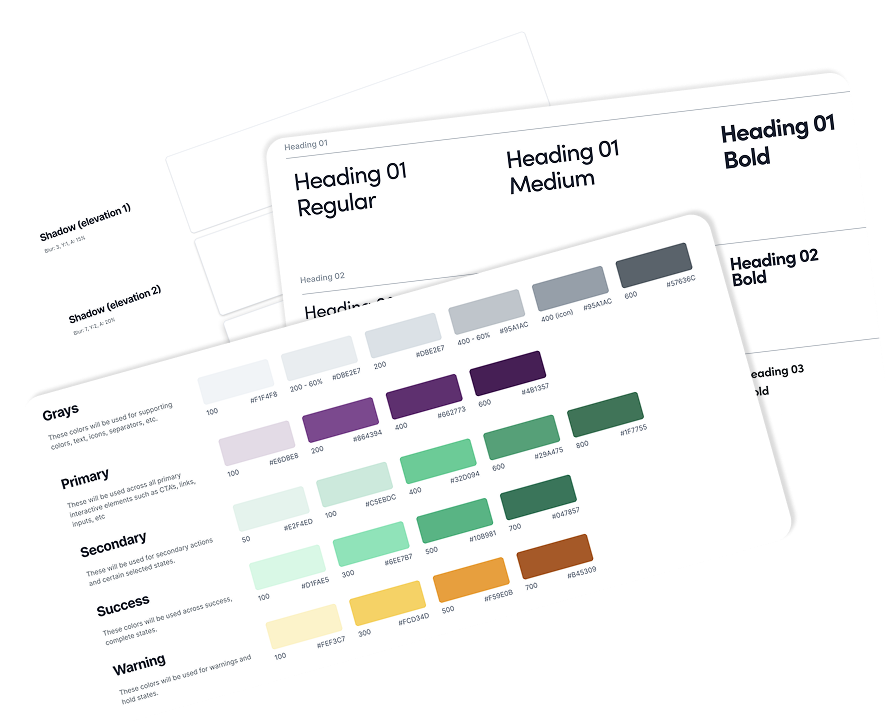
Foundations
Defines shared visual foundations—color, typography, and elevation—to reinforce hierarchy, readability, and consistency across complex systems.
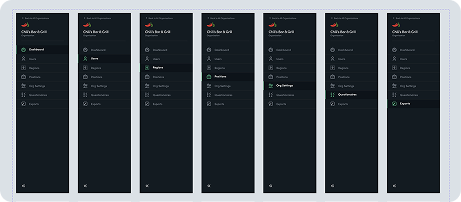
Interaction Patterns
Develops navigation patterns that improve orientation within complex workflows and reduce cognitive load at scale.
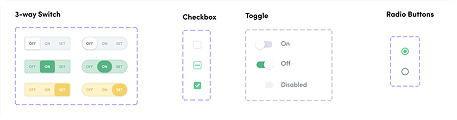
Form & Control Patterns
Establishes standardized inputs and controls to minimize inconsistency and improve usability across workflows.
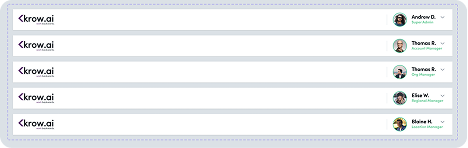
Applied in Product
These patterns are applied directly within real enterprise workflows, ensuring they hold up under operational complexity.
System Components
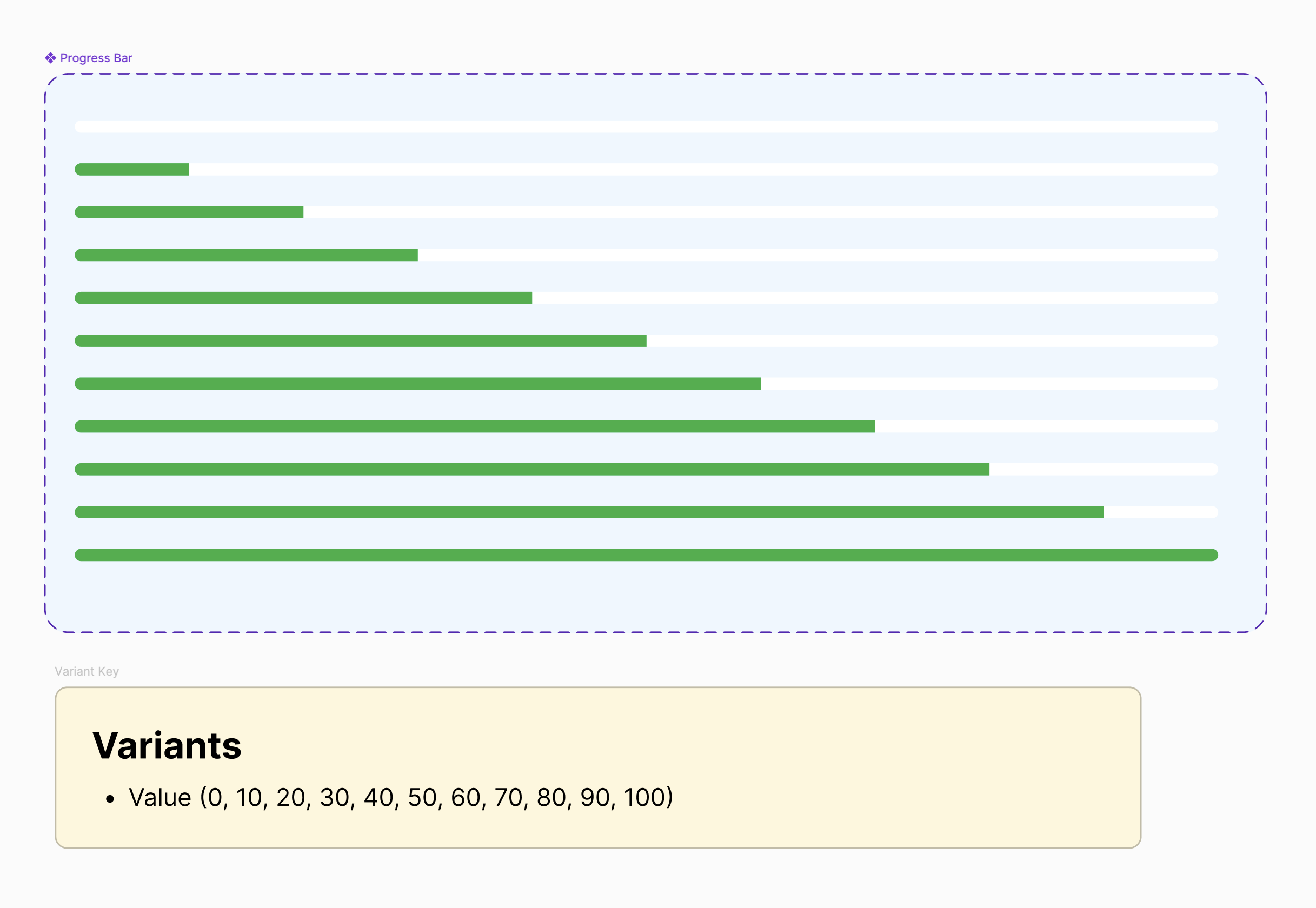
Progress Indicators
Reusable progress patterns that communicate system state and workflow completion clearly.
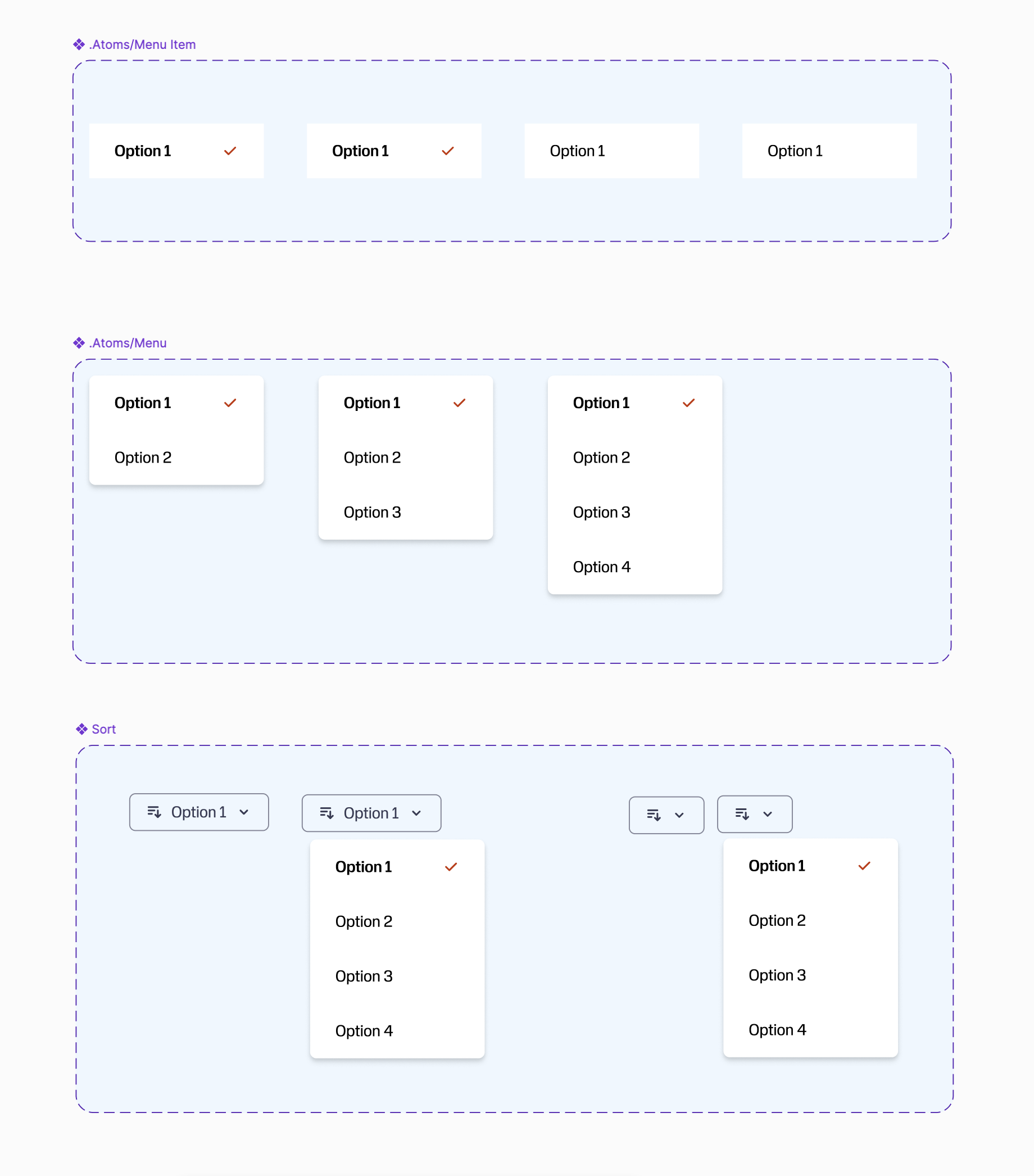
Filtering & Sorting
Reusable filtering and sorting controls designed for dense, high-volume enterprise data.
Impact
- Reduced UI inconsistency
- Improved design–engineering alignment
- Reduced duplicate work
- Faster feature development
- Improved onboarding speed for new features and teams
- Increased component reuse across product areas
- Reduced ambiguity in design-to-engineering handoff
- Enabled consistent patterns across multiple workflows